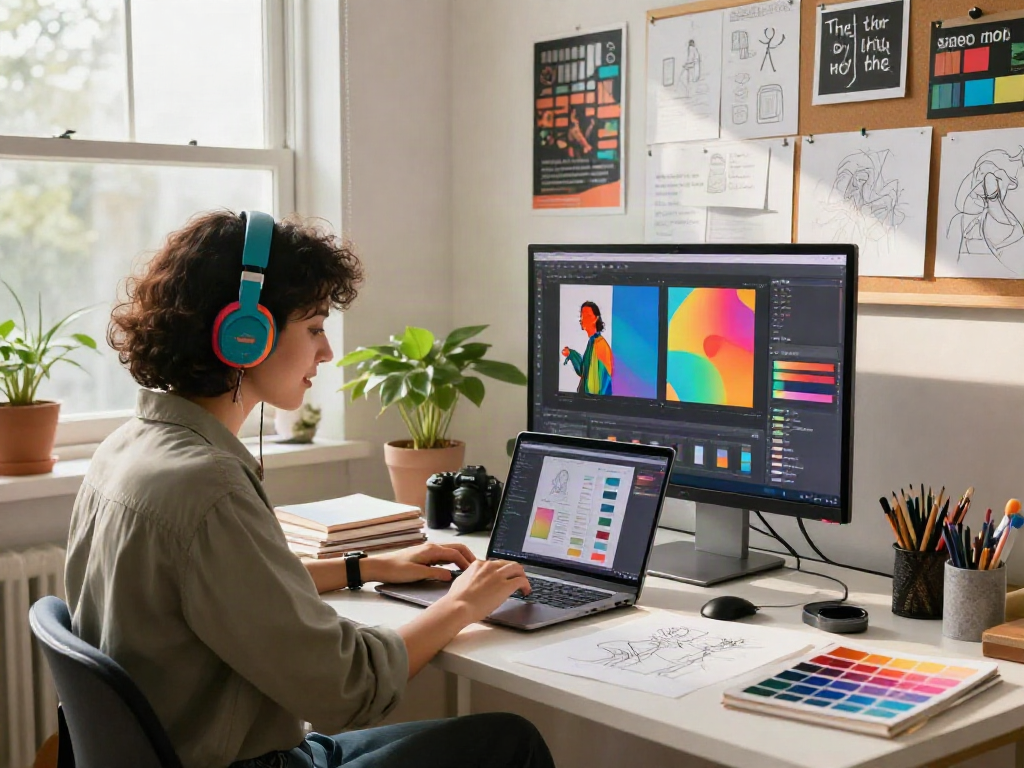
Understanding AI Image Editing Technology
As technology evolves, so do the methods we use to create and enhance visual content. AI image editing has emerged as a game-changing tool, revolutionizing how both professionals and amateurs approach image manipulation. By leveraging advanced algorithms and machine learning, these tools enable users to achieve stunning results quickly, often without the steep learning curve associated with traditional editing software. When exploring options, free ai image editor solutions have become increasingly popular, offering powerful features without the financial commitment.
What is AI Image Editing?
AI image editing refers to the use of artificial intelligence technologies to enhance, manipulate, or transform images. This encompasses a wide array of functionalities, including automatic color correction, object recognition, background removal, and even style transfer, where the visual aesthetics of one image can be applied to another. These capabilities allow users to create professional-grade images with minimal effort, making AI image editors an invaluable resource in today's digital landscape.
Key Features of Free AI Image Editors
The landscape of free AI image editors is rich with features that cater to diverse user needs. Some key features include:
- Automatic Enhancements: Many free AI editors come equipped with auto-enhancement features that improve lighting, contrast, and saturation with a single click.
- Smart Background Removal: AI-driven algorithms can quickly and accurately isolate subjects from their backgrounds, making the editing process seamless.
- Filter and Effect Applications: Users can apply artistic filters that mimic the styles of famous artists or create unique effects to enhance visual storytelling.
- Object Recognition: AI tools can identify objects and people within images, which aids in advanced editing tasks like repositioning or removing them.
How AI Enhances Image Quality
AI enhances image quality through sophisticated algorithms that analyze and adjust various image parameters. For instance, noise reduction technologies can minimize unwanted grain in photographs, while upscaling algorithms can enhance resolution without losing detail. Furthermore, AI techniques can intelligently brighten or darken specific areas of an image, allowing for balanced and vibrant visuals that were traditionally labor-intensive to achieve.
Choosing the Right Free AI Image Editor
With a plethora of options available, selecting a free AI image editor that fits your needs can be overwhelming. It's essential to consider factors such as usability, feature set, compatibility with other tools, and the specific tasks you want to accomplish. Evaluating user feedback and expert reviews can also guide you in making an informed decision.
Top Free AI Image Editors Available in 2026
As of 2026, several free AI image editors stand out due to their robust features and ease of use:
- DeepArt: Focused on artistic effects, DeepArt allows users to transform photos into artwork inspired by famous styles.
- Remove.bg: An outstanding tool for background removal, leveraging AI to isolate subjects effortlessly.
- Canva: While primarily a design tool, Canva integrates AI features for image enhancements and layout suggestions.
- PhotoRoom: Ideal for e-commerce, PhotoRoom uses AI to create professional-looking product photos by removing backgrounds and enhancing visuals.
Comparison of Features and Usability
When comparing various free AI image editors, consider the following aspects:
- User Interface (UI): A clean, intuitive UI enhances the editing experience, making it easier for users to navigate tools.
- Editing Speed: Some editors perform faster than others, which is crucial for users working with high-resolution images.
- Feature Variety: Evaluate the range of available features; some editors excel in specific tasks while lacking in others.
- Output Quality: The final image quality after editing should be high, maintaining detail and color accuracy.
Integration with Other Design Tools
An important factor to consider when selecting an AI image editor is its ability to integrate smoothly with other design tools. For instance, many users require seamless workflows between their image editors and graphic design software like Adobe Photoshop or Illustrator. Look for editors that offer plugins, file compatibility, or direct share features to streamline your projects.
Best Practices for Using AI Image Editors
While AI image editors are designed to simplify the editing process, understanding best practices can help you maximize their potential and avoid common pitfalls. Efficient usage not only saves time but also enhances creative output.
Step-by-Step Guide to Editing Images
Here's a concise guide to effectively utilizing AI image editors:
- Start with a High-Quality Image: The better the quality of your original image, the more successful your edits will be.
- Use Automatic Features Wisely: Experiment with auto-enhance options, but always review the results and make manual adjustments as needed.
- Take Advantage of Layering: If the editor supports layers, use them to separate edits. This allows for non-destructive editing.
- Experiment with Filters: Applying different filters can dramatically change the mood of your image; don't hesitate to experiment.
- Save Progress Frequently: Always save your edits in multiple stages to preserve the ability to revert changes.
Common Mistakes to Avoid
When using AI image editors, avoid these frequent missteps:
- Over-Reliance on Defaults: While default settings may be good, customizing your edits will yield better, personalized results.
- Neglecting to Save Versions: Not saving different versions of your work can lead to loss of progress and creativity.
- Ignoring User Guides: Many editors come with tutorials; using these can quicken your learning curve.
- Skipping the Review Process: Always take a moment to review your final edits before exporting.
Enhancing Creativity with AI Tools
AI image editors can significantly boost creativity. Utilize features like style transfer to experiment with different artistic looks and combine them with your images. This not only allows for unique results but also inspires new ideas for projects.
Applications of AI Image Editing
The versatility of AI image editing extends across various fields, unlocking potential for creativity and professional enhancement in several industries.
AI in Graphic Design and Marketing
In graphic design, AI image editors are becoming indispensable tools. Designers leverage AI capabilities to create visually striking marketing materials that capture attention. The speed and efficiency at which graphics can be produced allow marketing teams to respond rapidly to trends, ensuring their campaigns remain relevant.
Creating Visual Content for Social Media
Social media platforms thrive on visual content. AI image editors make it easier to create eye-catching images tailored for specific platforms, enhancing engagement and interaction. From Instagram posts to Facebook ads, tailored visuals can lead to higher conversion rates.
Using AI for Personal Projects and Hobbies
Whether you're an amateur photographer, a hobbyist artist, or simply someone who enjoys enhancing personal images, AI image editing tools provide a simple way to achieve professional results at home. They enable users to express their creativity without the technical barriers traditionally associated with image editing.
Future Trends in AI Image Editing
As we look ahead, it's evident that AI will continue to shape the landscape of image editing. Emerging technologies promise to further enhance capabilities and user experiences.
Emerging Technologies in Image Editing
Technological advancements such as augmented reality (AR) and virtual reality (VR) are beginning to influence image editing. These technologies can create immersive environments where users edit images within 3D spaces, providing a more intuitive and engaging experience.
Predictions for AI in Creative Fields by 2026
By 2026, we can expect AI image editing tools to include more features powered by deep learning, allowing for even smarter enhancements and automated suggestions based on user behavior and preferences. The integration of AI with graphic design, photography, and multimedia will likely result in unprecedented collaboration between human creativity and machine efficiency.
How AI Will Transform Digital Art Creation
As AI tools evolve, they will provide artists with new methods and techniques to express their creativity. AI-assisted creation could lead to a renaissance in digital art, where artists utilize AI to push artistic boundaries and explore new styles and concepts.
What are the benefits of using a free AI image editor?
Free AI image editors offer numerous benefits, including accessibility and a cost-effective solution for users who may not be ready to invest in expensive software. They often come equipped with a range of features that simplify complex editing tasks, making them suitable for beginners and professionals alike.
Can free AI image editors replace traditional editing software?
While free AI image editors provide a robust alternative for many basic editing tasks, they may not fully replace advanced traditional editing software for professional users who require intricate control and a broader range of features. However, they can serve as excellent supplementary tools for specific tasks.
How to maximize creativity with AI tools?
To maximize creativity with AI tools, users should explore different features, experiment with various settings, and utilize the integration capabilities offered by these tools. Applying different filters, using styles from their artworks, and combining images can lead to innovative results and surprising new creations.
Are there limitations to free AI image editors?
Yes, limitations may include restricted functionality compared to paid software, such as fewer features, watermarks on final products, or limitations on image resolution. Users should be aware of these constraints and choose tools that meet their specific needs.
What future advancements can we expect in AI image editing?
Future advancements may include more intuitive user interfaces, deeper integration with other creative tools, and enhancements in AI capabilities that further automate complex tasks. As AI technology continues to evolve, users can expect more personalized editing experiences tailored to individual workflows and artistic styles.