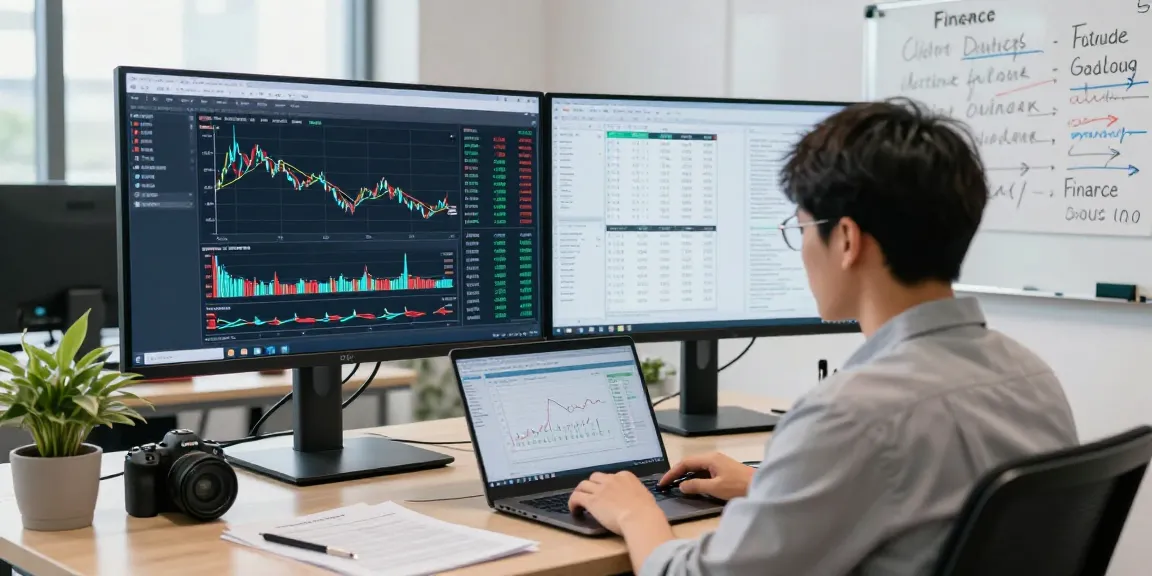
Understanding Cotton Futures: An Introduction to Data Feeds
In the world of commodities trading, cotton futures have emerged as a significant focus for traders, investors, and analysts alike. These financial contracts allow participants to buy or sell a specific amount of cotton at a predetermined price on a specified future date. As the market for cotton continues to evolve, understanding the intricacies of trading these futures is paramount for successful engagement. One crucial aspect that supports informed trading decisions is the use of sophisticated cotton futures data feed.
What are Cotton Futures?
Cotton futures are standardized contracts traded on commodities exchanges, such as the New York Mercantile Exchange (NYMEX) or the Intercontinental Exchange (ICE). These contracts are built on the underlying asset—raw cotton—and typically specify the quantity (usually 50,000 pounds) to be delivered. The trading of cotton futures allows hedgers, such as farmers and processors, to manage price risks associated with fluctuations in the cotton market. For speculators, these contracts offer opportunities to profit from price movements without actually taking physical delivery of the commodity.
The Role of Data Feeds in Futures Trading
Data feeds play an integral role in the trading of cotton futures by providing traders with timely and relevant market information. These feeds deliver real-time prices, historical data, news updates, and analytical tools that are essential for making informed trading decisions. By leveraging data feeds, traders can analyze market movements, gauge trading volumes, and evaluate historical trends, ultimately enhancing their decision-making capabilities.
The Importance of Real-Time Data in Making Informed Decisions
In the fast-moving world of futures trading, milliseconds can make a substantial difference in outcomes. Real-time data feeds provide traders with instant access to market prices and trends, enabling them to react swiftly to market changes. The ability to execute trades based on the latest information can be the difference between profit and loss. Therefore, ensuring that a reliable and fast cotton futures data feed is in place is critical for any trader looking to maintain a competitive edge.
Key Features of Effective Cotton Futures Data Feeds
Millisecond-Level Latency: Why It Matters
Latency is a critical concept in trading. Millisecond-level latency refers to the speed at which data is transmitted and received. In the context of cotton futures trading, a delay of even a few milliseconds can result in missed opportunities or unfavorable pricing. Effective data feeds minimize latency to ensure that traders receive the quickest prices possible, enabling them to execute trades at the optimal moment.
Historical Data: Tracking Trends and Market Movement
Historical data offers traders insights into past market performance and price behavior. This information is essential for identifying patterns, trends, and potential future movements. By analyzing historical price data, traders can devise strategies that take advantage of cyclical trends and seasonal variations in cotton pricing. The inclusion of robust historical data in a cotton futures data feed can elevate a trader's market awareness and strategic planning.
Technical Indicators to Consider in Cotton Trading
Incorporating technical indicators into trading strategies allows for a more data-driven approach to trading cotton futures. Common indicators that traders may utilize include moving averages, Relative Strength Index (RSI), and Bollinger Bands. These tools help traders assess market momentum and volatility, guiding them in making buy or sell decisions based on calculated risks.
How to Choose the Right Cotton Futures Data Feed Service
Criteria for Evaluating Data Providers
When selecting a data feed service for cotton futures, several criteria should be considered to ensure that it meets your trading needs:
- Speed: Look for providers that offer real-time data with minimal latency.
- Coverage: Ensure the service covers a broad range of data points, including price feeds, historical data, and technical indicators.
- Reliability: Research the provider's reputation to ensure consistency and accuracy in the data they supply.
- Customization: Evaluate whether the service allows for personalized dashboards and alerts tailored to individual trading strategies.
Comparative Analysis of Top Cotton Futures Data Feed Services
To make an informed decision, it's advisable to conduct a comparative analysis of the leading cotton futures data feed services. This involves examining their features, pricing structures, and customer service levels. Look for user reviews and testimonials to gauge the experiences of other traders. Additionally, consider trialing different platforms to see which one aligns best with your trading style and requirements.
Cost vs. Benefits: Investing Wisely
While pricing is an essential factor, it should not be the only consideration when choosing a data feed service. Assess the value you receive in relation to the cost. A higher-priced service may offer features that could enhance your trading success and lead to greater profits, making it worthwhile. Conversely, a lower-cost service might lack crucial features you need for effective trading.
Implementing Cotton Futures Data into Your Trading Strategy
Best Practices for Data Utilization in Trading
To maximize the benefits of a cotton futures data feed, it's essential to adopt best practices for data utilization:
- Stay informed: Regularly review market analysis and reports to keep abreast of industry developments.
- Develop a trading plan: Create a well-defined strategy that incorporates insights from your data feed, clearly outlining entry and exit points.
- Test strategies: Utilize historical data to backtest your strategies before applying them in real-time trading.
Common Pitfalls and How to Avoid Them
Even with access to a sophisticated data feed, traders can make critical errors. Common pitfalls include overreacting to market fluctuations and neglecting to analyze data comprehensively. To avoid these missteps, maintain a disciplined approach, implement risk management techniques, and regularly recalibrate your strategies based on updated market information.
Case Studies of Successful Data-Driven Trading
Examining successful case studies can provide valuable insights into effective trading strategies that leverage data feeds. For instance, a trader who diligently tracked cotton prices over a season and adjusted their positions based on historical trends and real-time analysis was able to realize a significant profit. By analyzing their decisions and outcomes, others can glean lessons about the power of data-driven trading.
Future Trends in Cotton Futures Data Feeds: What to Expect in 2026
Emerging Technologies in Data Analysis
As technology continues to advance, emerging tools like artificial intelligence and machine learning are set to revolutionize data analysis in commodities trading. These technologies can process vast amounts of data quickly, detecting patterns and anomalies that human analysts might miss. For cotton futures traders, embracing these innovations could yield significant advantages.
Regulatory Changes Impacting Futures Trading
Stay vigilant regarding regulatory changes that may affect trading practices and data reporting requirements in the cotton futures market. By understanding these changes, traders can adjust their strategies accordingly, ensuring compliance while also capitalizing on new opportunities.
Predictions for Market Movements and Data Requirements
Looking ahead to 2026, analysts anticipate fluctuations in cotton prices driven by factors such as climate change, global demand shifts, and changes in production practices. Consequently, the data requirements for effective trading will evolve, necessitating more sophisticated and detailed data feeds. Traders will need to adapt to these changes by seeking comprehensive data services that can provide the insights necessary to navigate an increasingly complex market landscape.
What are the benefits of using a cotton futures data feed?
Utilizing a cotton futures data feed empowers traders with timely market insights, enhancing their ability to make informed decisions. Access to real-time pricing, historical data, and technical analysis tools equips traders to identify opportunities and manage risks effectively.
How does real-time data impact trading decisions?
Real-time data is essential in trading as it enables traders to react promptly to market movements, capitalize on price fluctuations, and make strategic decisions that align with current market conditions.
What features should I look for in a data feed service?
In a data feed service, seek features such as millisecond-level latency, comprehensive historical data, customization options, and strong technical analysis tools to support your trading strategies effectively.
Are there specific indicators important for cotton futures?
Yes, key technical indicators for cotton futures include moving averages, Bollinger Bands, and RSI. These indicators help traders assess market momentum and make informed decisions based on calculated risks.
What future trends should analysts watch in 2026?
In 2026, analysts should keep an eye on technological advancements in data analysis, regulatory changes affecting the market, and emerging global trade dynamics that could impact cotton futures prices.